
Software Validation
Manage continuous software updates with AI assistance, while staying audit-ready.



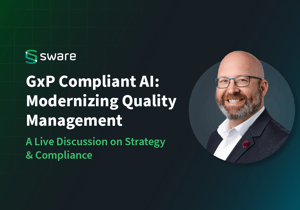
Join Bryan Ennis, Sware's Chief Quality Officer, to learn essential strategies on integrating AI into GxP environments while maintaining regulatory confidence.

Classify AI systems by type and risk level to determine appropriate validation strategies and controls.
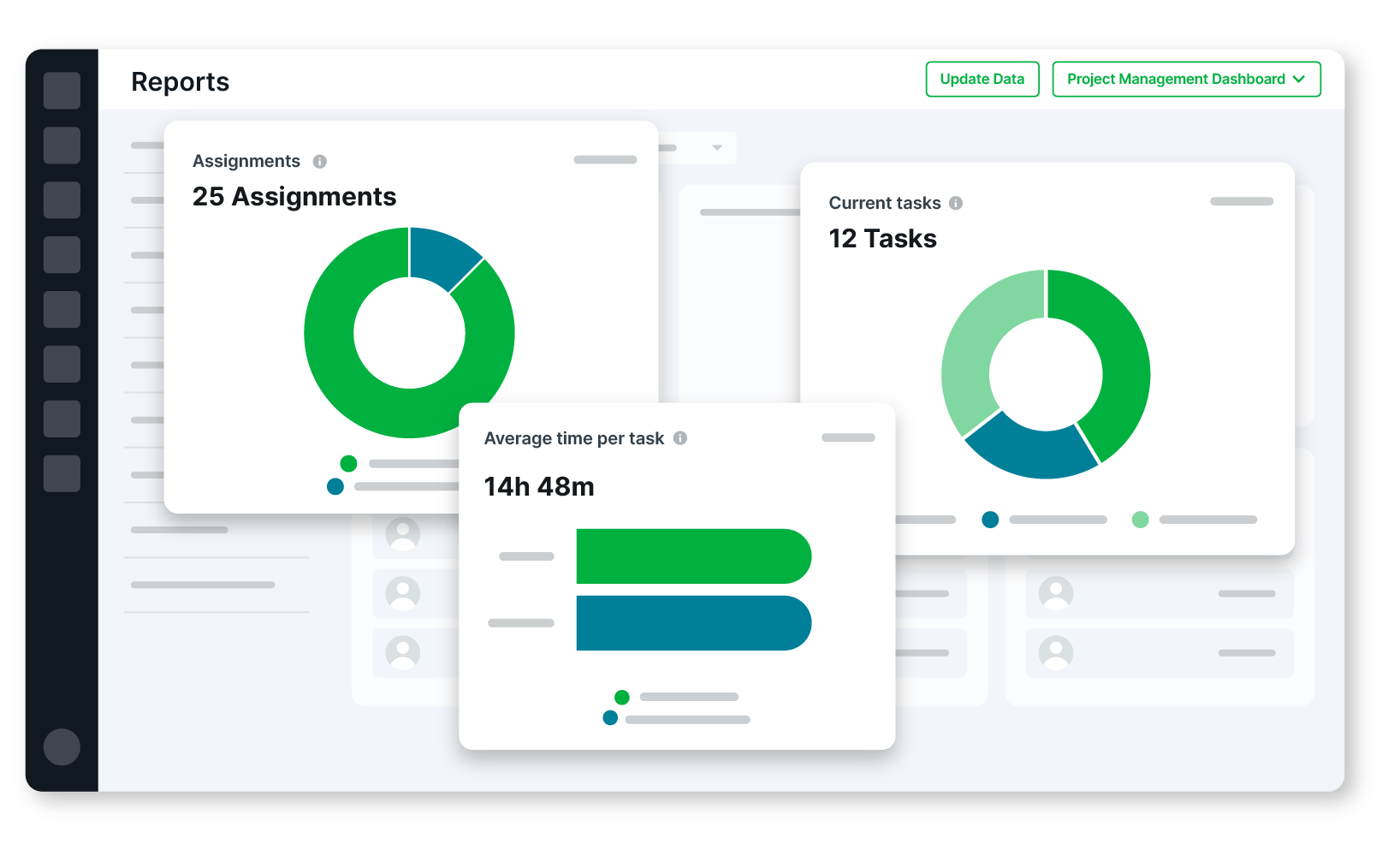
Track AI behavior in real time with AI agents that detect drift, anomalies, and performance degradation before they impact compliance.
Ensure training data quality, lineage, and versioning meet GxP standards for auditability and reproducibility.
Document AI logic, decision-making processes, and performance metrics for regulatory confidence.
Implement triggers for revalidation when AI models evolve or performance deviates from validated state.
Define clear roles for human-in-the-loop validation, ensuring AI operates within approved boundaries.

Master the convergence of AI and quality management. Get actionable strategies for modernizing validation in the age of intelligent systems.

"The Res_Q platform has transformed how we approach validation, turning what could have been a compliance burden into a streamlined process that actually accelerates our product development. As a technology company serving life sciences, we needed a partner who understood both software innovation and GxP requirements. Sware delivered exactly that, helping us build a robust validation baseline for NOTA that positions us for growth."
Alison M | Head of Clinical Trial Solutions